

Hands-on Research: HTBLuVA Students Present Diploma Projects at PMU
How is enthusiasm for science sparked?
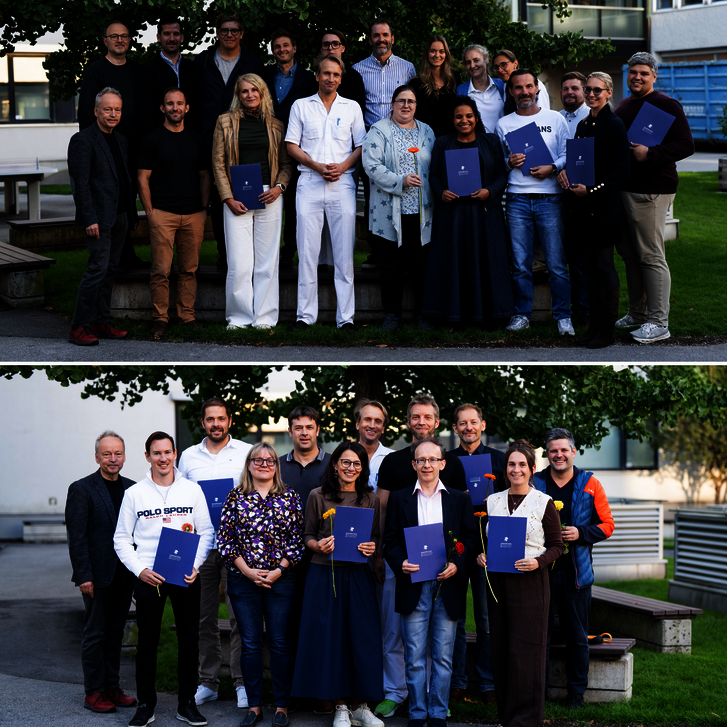
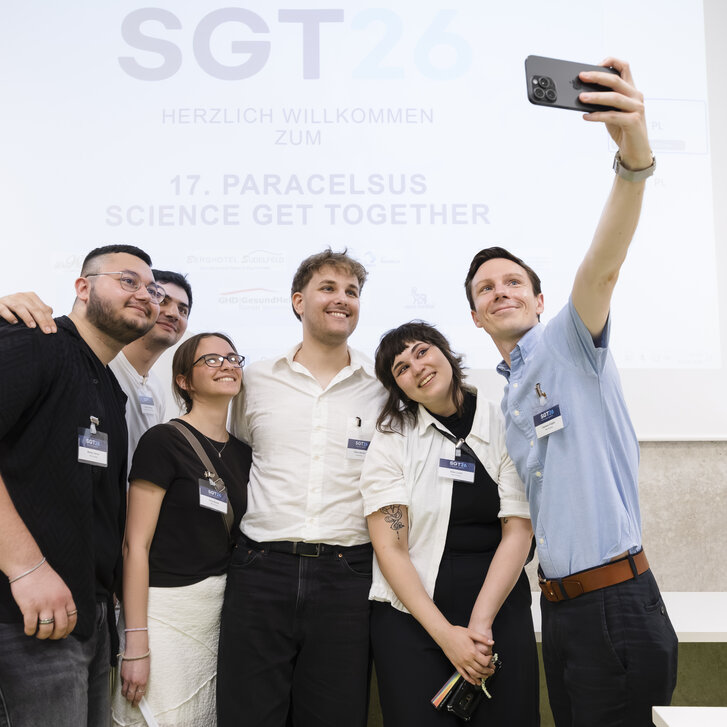
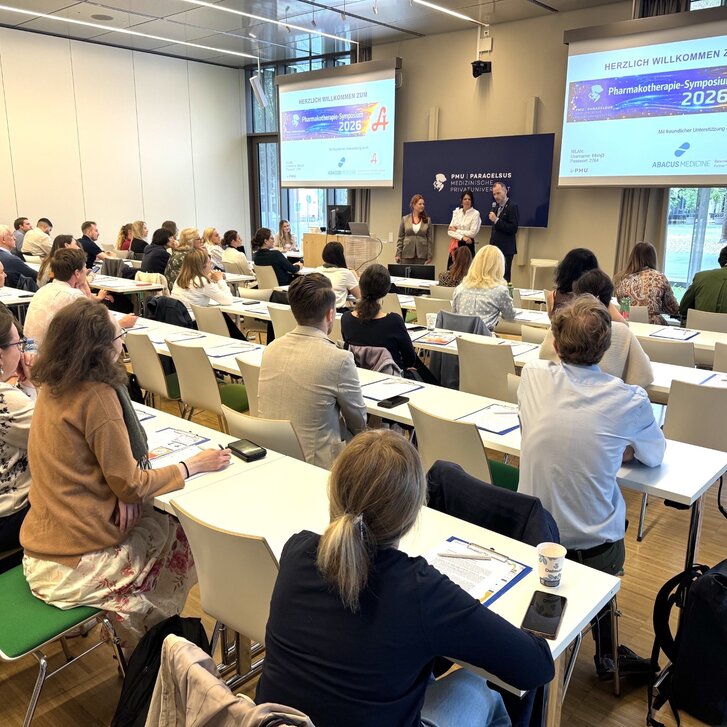
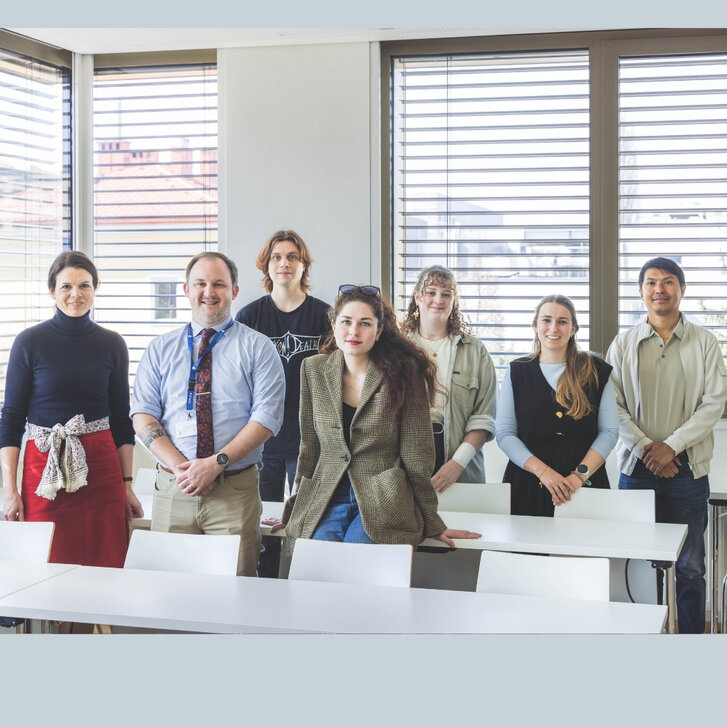
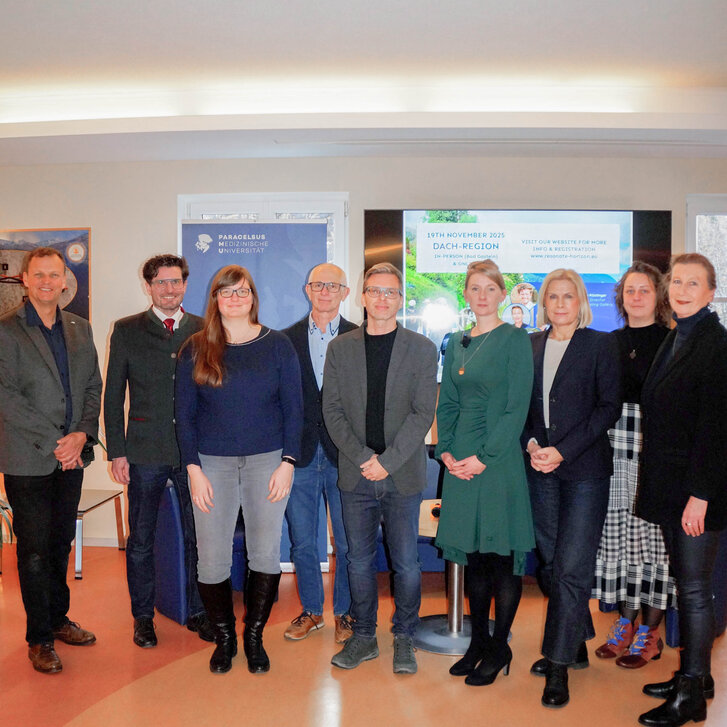
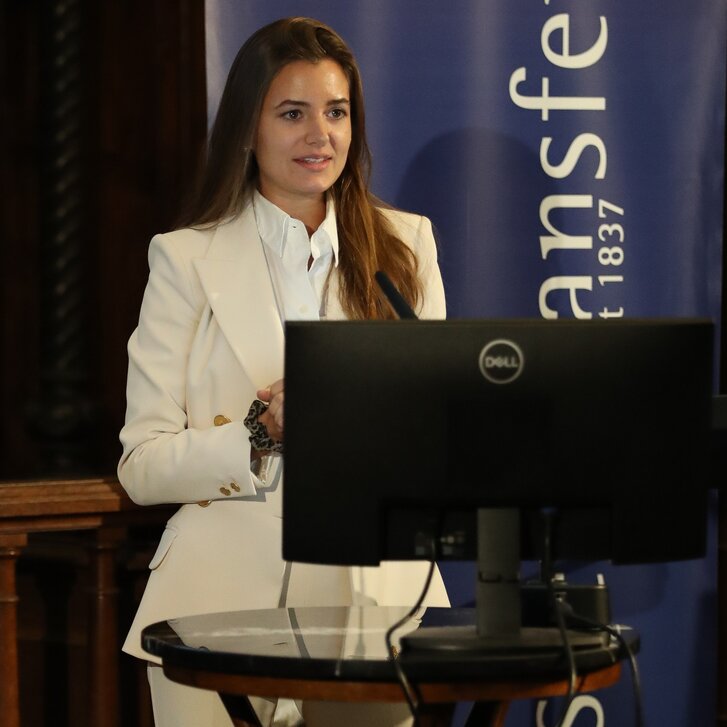
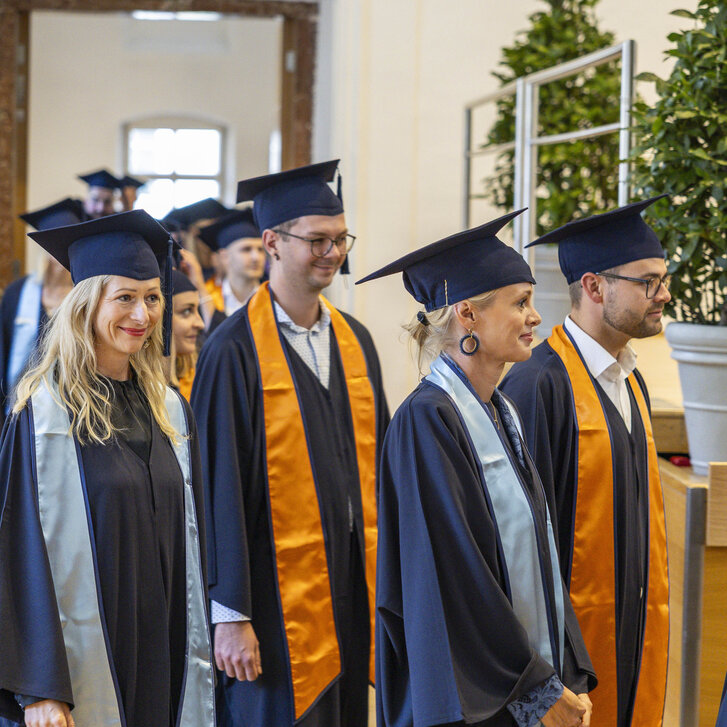
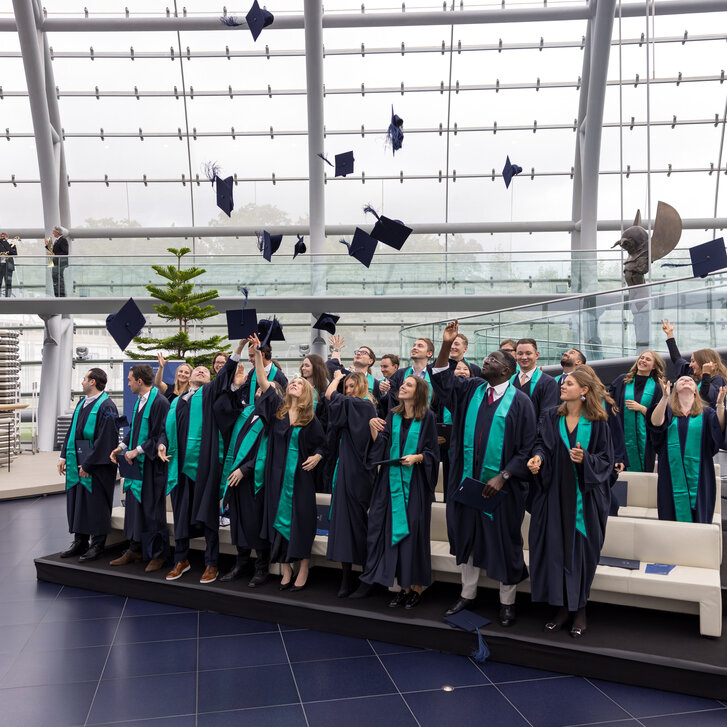
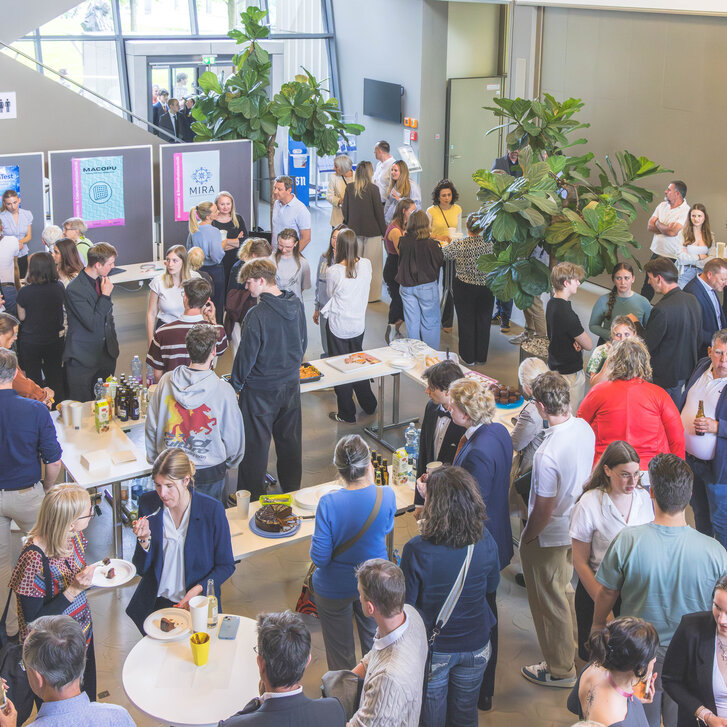
By allowing young people to not just learn about research in the classroom, but to become part of it themselves. This is exactly what the long-standing cooperation between HTBLuVA Salzburg and Paracelsus Medical Private University (PMU) enables. This year, students from the 5AHBG graduating class of the Biomedical and Health Technology department presented their diploma theses at the PMU.
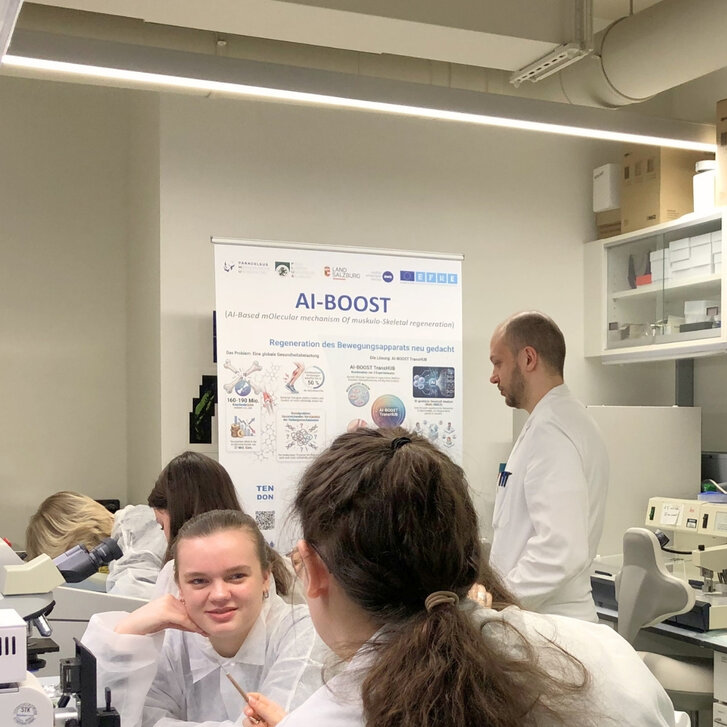
A total of 25 students worked on 11 projects addressing current questions in medicine, research, and health technology. The topics ranged from neurology and hygiene to tumor research and AI-based image analysis. One project was developed in direct collaboration with the PMU, while three others were implemented together with Salzburg University Hospital.
Research with practical relevance
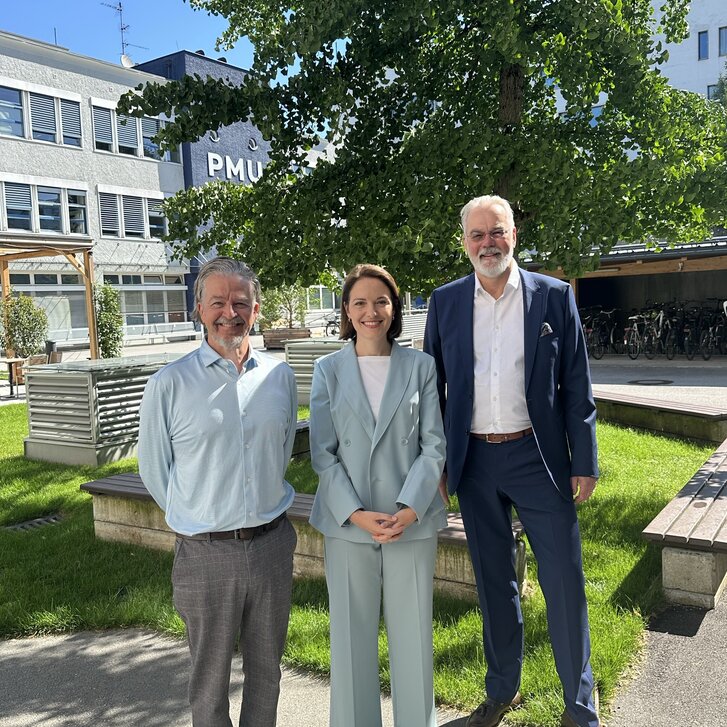
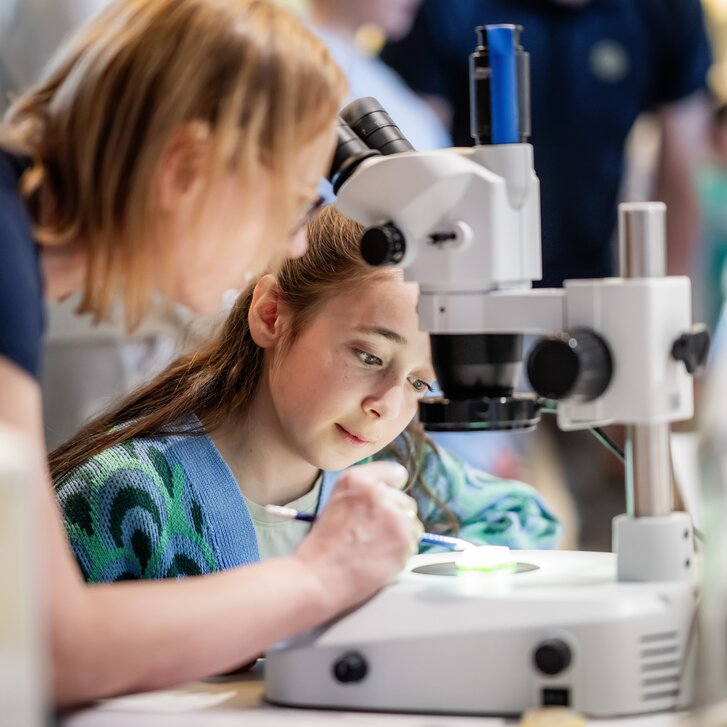
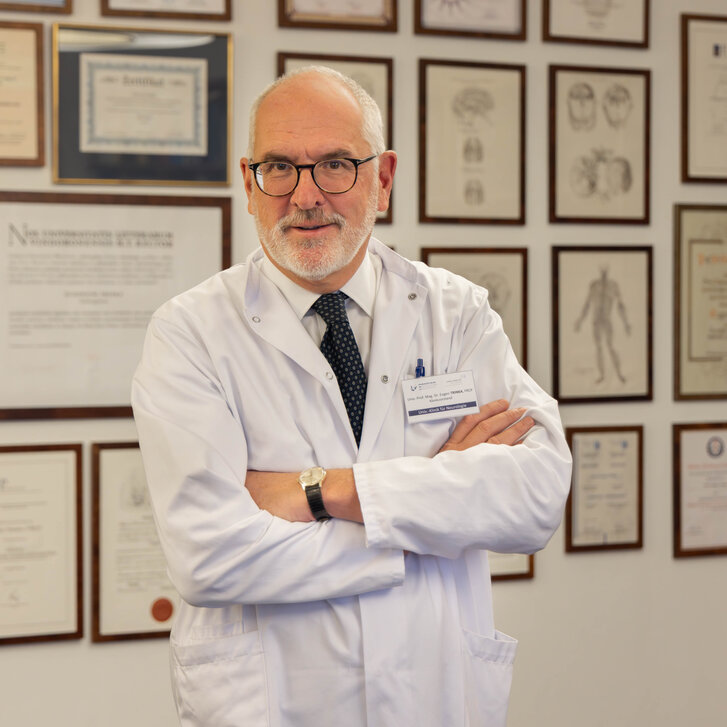
The cooperation gives young people the opportunity to gain insights into scientific work during their school years and to become familiar with cutting-edge research and laboratory technologies. "This collaboration creates an important bridge between school education, university research, and future career fields in healthcare," emphasizes Andreas Traweger, Head of the Institute for Tendon and Bone Regeneration at PMU and co-initiator of the cooperation.
The practical nature of the projects was demonstrated, for example, by the diploma project "CEREBCheck". The students explored mobile EEG systems and their potential applications in neurological diagnostics. In the process, they not only learned about scientific methods but also the organizational and ethical frameworks of clinical research—including the approval process for an ethics application.
The project "Cirona" pursued a particularly interdisciplinary approach. Two students developed a system for automated motion analysis that combines camera technology, sensors, and artificial intelligence. The project highlighted how closely linked computer science, medical technology, and health research have become.
Curiosity as the key to research
For Andreas Traweger, the special value of such cooperations lies in actively introducing young people to science. "It is particularly motivating when students realize that their work is part of a larger research project," says Traweger. Academic performance alone is not the deciding factor here. Rather, qualities such as curiosity, interest, and perseverance are what matter, he adds.
At the same time, the research institutions also benefit from the collaboration. The young people often bring solid knowledge in areas such as programming, electronics, design, or sensor technology, thereby opening up new perspectives on scientific questions.
The cooperation between HTBLuVA Salzburg, PMU, and Salzburg University Hospital demonstrates how modern talent development can succeed: science is not just taught, but experienced and shaped together.
By the way: In the Biomedical and Health Technology department at HTBLuVA Salzburg, the gender ratio is now almost balanced. This sets an important example for diversity and equal opportunity in research and development, especially in the STEM fields.